Medication Information and Safety Guides
Category guide
This medication information hub provides general education about medicine labels, uses, warnings, side effects, interactions and prescription requirements. Maryand does not dispense prescription medication, and pages in this section do not include add-to-cart or checkout functions.
Medication information can change. Each guide must be checked against current authoritative labeling, include published and updated dates, name a qualified medical reviewer and cite its sources before it is eligible for indexing.

-

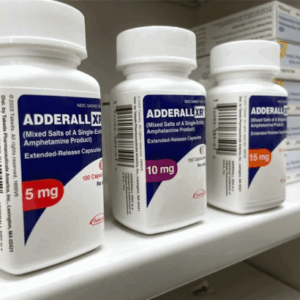
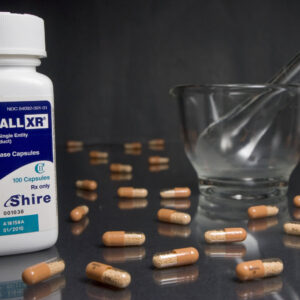
Adderall 20mg – Medication Information
ADHD Medication Information Prescription medication · Information only Information pageView medication information -
Adderall 30mg – Medication Information
ADHD Medication Information Prescription medication · Information only Information pageView medication information -
Alprazolam 0,5mg – Medication Information
Anxiety Medication Information Prescription medication · Information only Information pageView medication information -
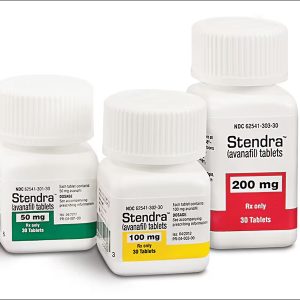
Avanafil (Stendra) – Medication Information
Men's Health Medication Information Prescription medication · Information only Information pageView medication information -
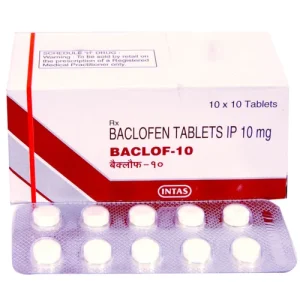
Baclofen 10mg – Medication Information
Pain Medication Information Prescription medication · Information only Information pageView medication information -
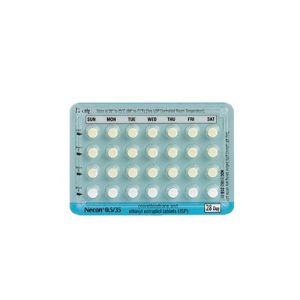
Balziva pills – Medication Information
Birth Control Information Prescription medication · Information only Information pageView medication information -
Brevicon – Medication Information
Birth Control Information Prescription medication · Information only Information pageView medication information -
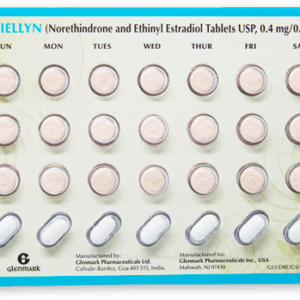
Briellyn birth control pills – Medication Information
Birth Control Information Prescription medication · Information only Information pageView medication information -
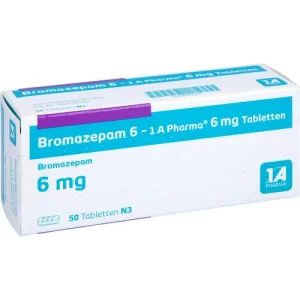
Bromazepam 6mg – Medication Information
Anxiety Medication Information Prescription medication · Information only Information pageView medication information -
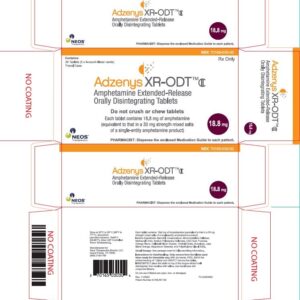
Adzenys XR-ODT – Medication Information
ADHD Medication Information Prescription medication · Information only Information pageView medication information -
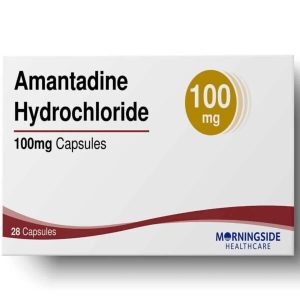
Amantadine – Medication Information
General Medication Information Prescription medication · Information only Information pageView medication information -
Amphetamine – Medication Information
ADHD Medication Information Prescription medication · Information only Information pageView medication information -
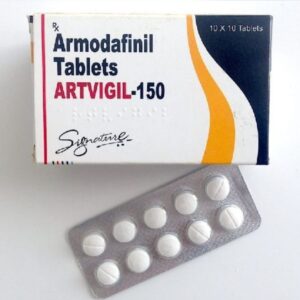
Armodafinil – Medication Information
General Medication Information Prescription medication · Information only Information pageView medication information -
Azstarys – Medication Information
ADHD Medication Information Prescription medication · Information only Information pageView medication information -
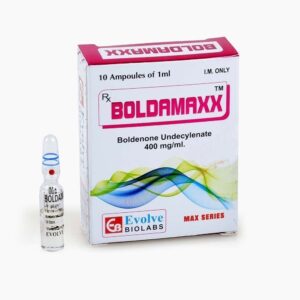
Boldenone Box of 10 vials 400mg GM Pharm – Medication Information
Hormone & Steroid Information Prescription medication · Information only Information pageView medication information -
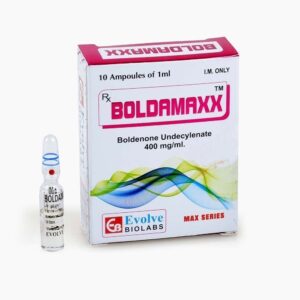
boldenone undecylenate 300mg – Medication Information
Hormone & Steroid Information Prescription medication · Information only Information pageView medication information


Make an informed comparison
How to choose medication information
Use these guides to prepare questions and understand common label sections—not to select, start, stop or change a medicine. Verify the exact drug name, active ingredient, strength, dosage form and route because similarly named products can differ. Prescription status and availability vary by medicine and jurisdiction. The prescribing professional, dispensing pharmacist and current official label are the appropriate sources for individual instructions.
Available product types
- General medicine safety, storage, disposal and label-reading guides.
- Prescription-versus-OTC explanations and questions to ask a pharmacist.
- Class-based information pages covering warnings, side effects and interactions.
- Medicine-specific drafts kept out of the index until authoritative review is complete.
Details worth comparing
- Generic and brand names, active ingredient, strength, dosage form and route.
- Current indications, boxed or major warnings, common and serious side effects.
- Interactions, contraindications, pregnancy considerations and monitoring needs.
- Official label date, references, author, qualified reviewer and last-updated date.
Usage and safety considerations
Never use a website page as a substitute for the prescription label or individualized instructions. Do not share medicine or use a prescription written for someone else. Store and dispose of medicines according to current instructions. Suspected overdose, severe allergic reaction, trouble breathing, loss of consciousness or another emergency requires immediate emergency or poison-control help.
Who should speak with a healthcare professional?
Ask the prescribing clinician or pharmacist about personal dosing, missed doses, interactions, side effects, pregnancy, nursing, driving, alcohol, monitoring and stopping a medicine. Contact a healthcare professional promptly for concerning effects. In the United States, Poison Help is available at 1-800-222-1222; call emergency services for life-threatening symptoms.
Before you order
Review the exact product label, availability and destination eligibility. Check shipping information and return eligibility before checkout, or contact customer support with a product question.
Frequently asked questions
What is the difference between prescription medicine and an OTC product?
Prescription medicines require authorization from a licensed prescriber and are dispensed under applicable pharmacy rules. OTC products can be purchased without a prescription when used according to their Drug Facts label. Nonprescription status does not mean a product is risk-free or appropriate for every person.
Can I buy prescription medication from Maryand?
No. Maryand does not dispense prescription medication. Medication pages are general information only, have no purchase function and should be reviewed against current authoritative labeling. Use a licensed prescriber and pharmacy for personal prescription care, dispensing questions, dosing instructions and required monitoring.
How should I verify medication information online?
Check the exact active ingredient, strength and dosage form against the current official label and reputable government or clinical sources. Look for author and reviewer qualifications, references and updated dates. Ask a pharmacist or prescriber when information conflicts or when you need advice for your own treatment.
What should I do if I think a medicine is causing a serious reaction?
Seek urgent medical help for severe symptoms such as trouble breathing, swelling, loss of consciousness or signs of overdose. For other concerning effects, contact the prescribing professional or pharmacist promptly. Do not rely on a general web page to decide whether to continue, stop or change a prescription.
Authoritative starting points
FDA: Drug Safety and Availability · DailyMed: Current medication labeling
General information only. Product labels are the primary reference for ingredients, directions and warnings. This page does not diagnose, treat or replace advice from a qualified healthcare professional.