Weight Gain Supplements and High-Calorie Nutrition
Category guide
Weight gain supplements and high-calorie nutrition products can make it easier to add energy, protein or convenient nutrients to an eating plan. They are most useful when the serving size, ingredients and preparation method fit your appetite, schedule and overall nutrition needs.
Compare calories and protein per prepared serving—not just per scoop—along with carbohydrates, fats, added sugar, allergens and other ingredients. A larger number on the front of a package is not automatically a better match for every person.
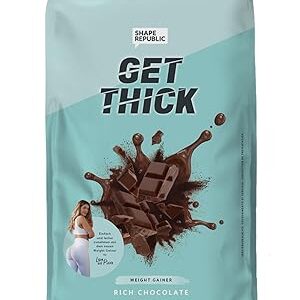
-

Get thick
Weight Gain & Nutrition $200.00 AvailableAdd to cart -
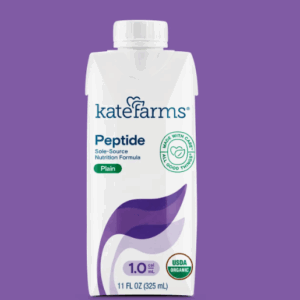
Kate Farms Peptide
Weight Gain & Nutrition $160.00 AvailableAdd to cart -
THE BOTTOM LINE
Weight Gain & Nutrition $180.00 AvailableAdd to cart

Make an informed comparison
How to choose weight gain supplements
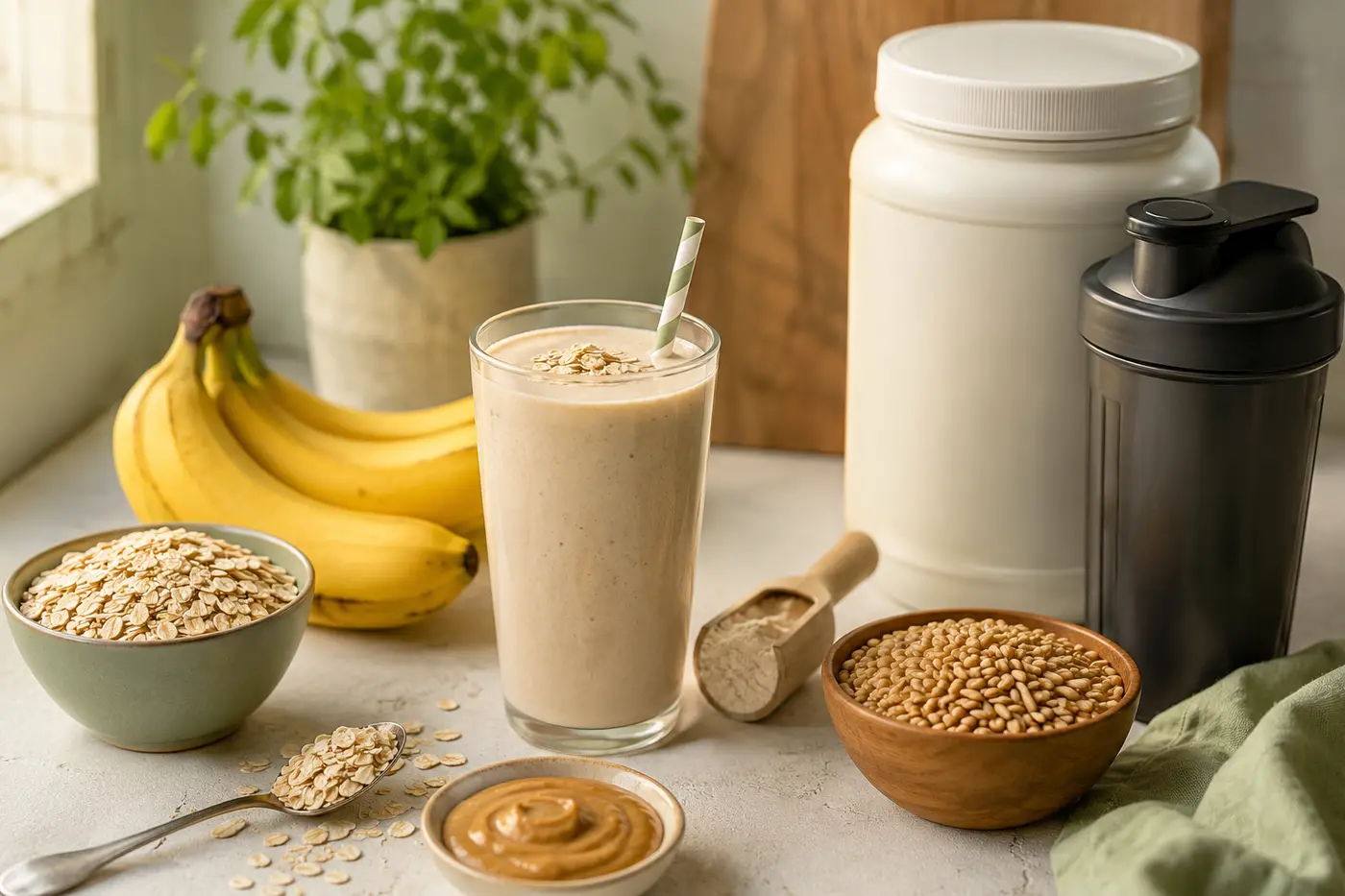
Begin with the nutrition gap you are trying to fill. A ready-to-drink shake may prioritize convenience, while a powder allows more control over portion size and ingredients. Mass gainers can contain several scoops per serving, so check the prepared volume and cost of a full serving. Compare protein source, carbohydrate source, added fats, fiber and micronutrients. If you already use protein, creatine or a multivitamin, check for duplicated ingredients. Choose a flavor and preparation method you can use consistently without crowding out regular meals.
Available product types
- Mass gainer powders that combine calories, carbohydrate and protein in a larger serving.
- High-calorie shakes and nutrition drinks for convenient between-meal intake.
- Protein powders that can be blended with foods to adjust calories and texture.
- Appetite-support products whose ingredients and warnings require separate review.
Details worth comparing
- Calories, protein, carbohydrate, fat, fiber and added sugar per prepared serving.
- Protein source, amino acid information, dairy or soy content and other allergens.
- Scoops and liquid needed for one serving, container yield and cost per serving.
- Added vitamins, minerals, creatine, herbs, sweeteners and digestive ingredients.
Usage and safety considerations
Follow preparation and storage directions, especially for mixed drinks that require refrigeration. Increase portion size gradually when the label permits and when tolerance is a concern. Do not use a mass gainer as the only source of food unless a qualified professional has designed and monitors that plan. People with food allergies should verify the label and manufacturing statements each time they purchase.
Who should speak with a healthcare professional?
Talk with a healthcare professional or registered dietitian when weight loss is unexplained, appetite is persistently low, swallowing or digestive symptoms are present, or you manage diabetes, kidney, liver or gastrointestinal conditions. Children, pregnant or nursing people, and anyone using nutrition products as meal replacements need individualized guidance.
Before you order
Review the exact product label, availability and destination eligibility. Check shipping information and return eligibility before checkout, or contact customer support with a product question.
Frequently asked questions
What should I look for in a weight gain supplement?
Look at calories and protein per prepared serving, serving volume, protein and carbohydrate sources, added sugar, allergens, micronutrients and extra ingredients such as creatine. A useful product should fit your daily eating plan, preparation preferences, budget and any guidance from a qualified professional.
What is the difference between a mass gainer and protein powder?
A mass gainer typically provides more total calories and carbohydrate per serving, while a protein powder is usually more concentrated in protein and easier to customize with foods. Formulas vary widely, so compare the complete Nutrition or Supplement Facts panel rather than relying only on the category name.
Can high-calorie nutrition replace regular meals?
It may supplement meals, but it should not routinely replace a varied diet unless a qualified healthcare professional has recommended and monitors that approach. Whole foods provide textures, fiber and food variety that a single powder or drink may not reproduce. Follow the product label and your individualized plan.
How should a prepared nutrition shake be stored?
Follow the label. Many mixed powders and opened ready-to-drink products require prompt refrigeration and should not sit at room temperature for extended periods. Use clean equipment, note the time prepared, and discard a drink when its label storage window has passed or its smell, appearance or texture changes.
Authoritative starting points
FDA: Questions and Answers on Dietary Supplements · NIH Office of Dietary Supplements fact sheets
General information only. Product labels are the primary reference for ingredients, directions and warnings. This page does not diagnose, treat or replace advice from a qualified healthcare professional.