Vitamins and Supplements Online
Category guide
Vitamins and dietary supplements come in different ingredients, amounts and formats. The best comparison starts with a specific nutrition goal, the Supplement Facts panel and your complete routine—not with the number of claims on the front label.
FDA does not approve dietary supplements for safety and effectiveness before they are marketed. Read the label carefully, consider possible medicine interactions and use manufacturer or qualified professional information when the page does not answer a product-specific question.

-

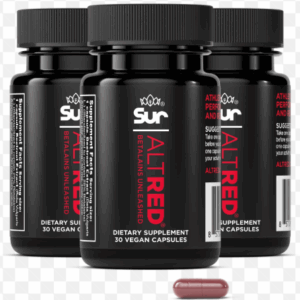
ALTRED 90 CT
Vitamins & Supplements $170.00 AvailableAdd to cart -
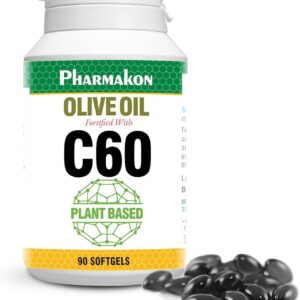
C60 Capsules
Vitamins & Supplements $65.00 AvailableAdd to cart -
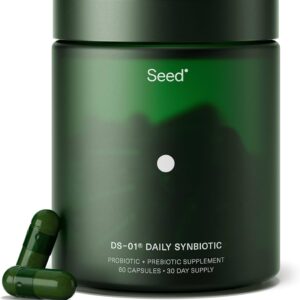
DS-01 Daily Synbiotic
Vitamins & Supplements $55.00 AvailableAdd to cart -
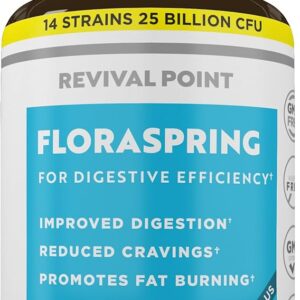
Floraspring Probiotic Supplement
Vitamins & Supplements $200.00 AvailableAdd to cart -
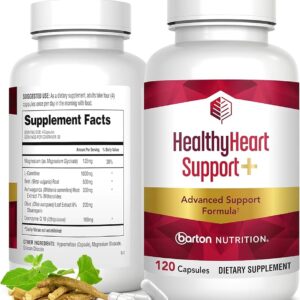
HealthyHeart Support
Vitamins & Supplements $200.00 AvailableAdd to cart -
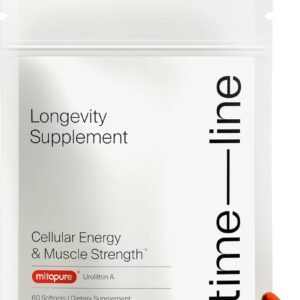
Mitopure
Vitamins & Supplements $150.00 AvailableAdd to cart -
NATION HEALTH MD GLUCO24
Vitamins & Supplements $40.00 AvailableAdd to cart -
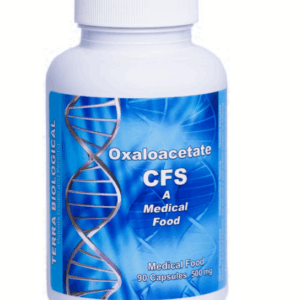
Oxaloacetate CFS
Vitamins & Supplements $450.00 AvailableAdd to cart -
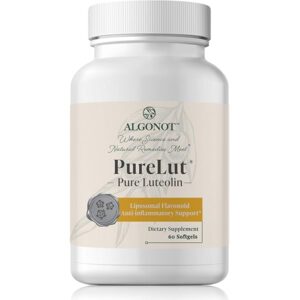
PureLut
Vitamins & Supplements $50.00 AvailableAdd to cart -
Resistor ADVANCED DETOX & GUT HEALTH
Vitamins & Supplements $55.00 AvailableAdd to cart -
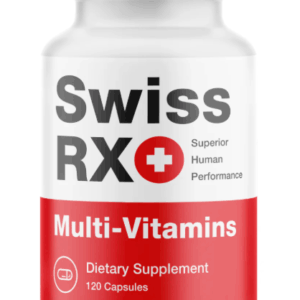
SwissRX
Vitamins & Supplements $85.00 AvailableAdd to cart -

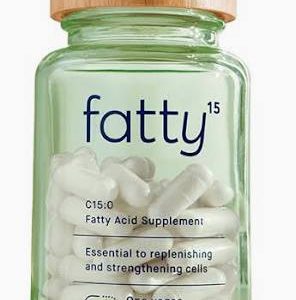
vegan C15:0
Vitamins & Supplements $450.00 AvailableAdd to cart


Make an informed comparison
How to choose vitamins
Identify the nutrient or practical reason first. A multivitamin may offer broad coverage, while a single-ingredient product makes one amount easier to adjust. Compare the serving size and percentage Daily Value, then add amounts from every supplement you use. Check the ingredient form, other ingredients, allergens, dietary format and expiration. Independent quality certification can provide additional information about manufacturing or testing, but it does not prove that a product is necessary or effective for every person.
Available product types
- Multivitamins organized by age, life stage or general daily use.
- Single vitamins and minerals in tablets, capsules, liquids, powders or gummies.
- Botanical, probiotic, antioxidant and other dietary supplement formulas.
- Energy and daily wellness products that may combine nutrients with caffeine or herbs.
Details worth comparing
- Serving size, amount per serving, percentage Daily Value and servings per container.
- Other ingredients, allergens, added sugar, sweeteners and dietary certifications.
- Warnings for medicine interactions, pregnancy, nursing, surgery and health conditions.
- Expiration, storage, manufacturer contact information and credible testing statements.
Usage and safety considerations
Do not assume that higher amounts are better or that natural means risk-free. Supplements can cause side effects and interact with medicines or one another. Keep a current list of everything you take, follow the label, store products away from children and do not use a supplement to treat or prevent disease unless the product is legally regulated and labeled for that purpose.
Who should speak with a healthcare professional?
FDA advises consumers to talk with a doctor, pharmacist or other healthcare professional before buying or using a dietary supplement, especially when taking medicine. Personalized guidance is important during pregnancy or nursing, before surgery, for children and older adults, and for people with kidney, liver, heart, bleeding, metabolic or other health conditions.
Before you order
Review the exact product label, availability and destination eligibility. Check shipping information and return eligibility before checkout, or contact customer support with a product question.
Frequently asked questions
What is the difference between vitamins and dietary supplements?
Vitamins are one type of dietary ingredient. Dietary supplements can also contain minerals, herbs, amino acids, enzymes and other ingredients. Every product should identify itself and list serving and ingredient information on the label. The category name alone does not indicate quality, need or suitability.
How do I choose a daily vitamin?
Start with diet, age, life stage, health history, medicines and any professional guidance. Compare nutrient amounts and percentage Daily Value, checking for duplication across products. Choose a serving format you can use consistently, and avoid assuming the formula with the highest amounts is the best choice.
What should I check on a supplement label?
Check serving size, servings per container, every dietary ingredient and amount, percentage Daily Value when established, other ingredients, allergens, directions, warnings, manufacturer contact information and expiration. Compare the full serving—not a single capsule—because one serving may require several capsules or scoops.
Can supplements interact with medications?
Yes. Some supplements can change how medicines work, increase side effects or create additional risks around surgery. Keep a complete list of medicines and supplements and share it with a doctor or pharmacist. Do not start, stop or replace prescribed treatment based only on a retail product page.
Authoritative starting points
FDA: Questions and Answers on Dietary Supplements · NIH Office of Dietary Supplements fact sheets
General information only. Product labels are the primary reference for ingredients, directions and warnings. This page does not diagnose, treat or replace advice from a qualified healthcare professional.