Women's Health Supplements and Daily Wellness
Category guide
Women's health supplements include multivitamins, minerals and wellness formulas positioned for different ages and life stages. The label, individual nutrition needs and health history matter more than broad marketing language.
Use this collection to compare ingredient amounts, serving size, allergens, format and warnings. Product pages provide general shopping information and cannot determine whether a nutrient or formula is appropriate during pregnancy, nursing, menopause or treatment for a health condition.
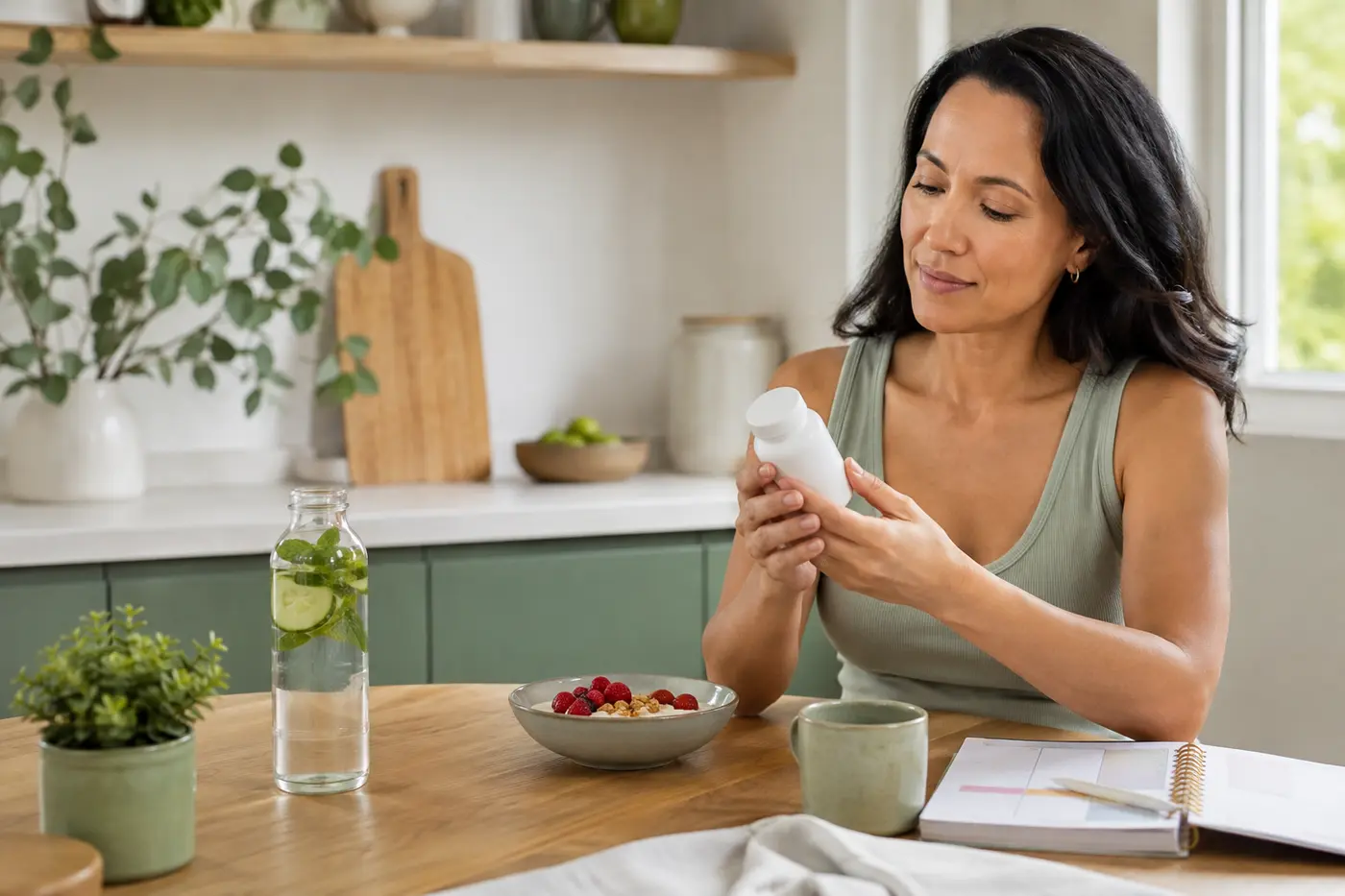
Make an informed comparison
How to choose women's health supplements
Begin with your life stage, diet, lab or clinical guidance when available, medicines and current supplements. Compare iron, folate, calcium, vitamin D and other nutrients by amount and form without assuming every person needs the same formula. Gummies, capsules, tablets and powders can have different serving sizes, added sugar and other ingredients. For products marketed for hormonal balance, urinary health or feminine wellness, read the exact intended use and avoid claims that imply diagnosis or treatment.
Available product types
- Women's multivitamins organized for general adult use or a stated age group.
- Single vitamins and minerals for specific nutrition goals identified with appropriate guidance.
- Daily wellness formulas with herbs or other ingredients requiring interaction review.
- Feminine and personal wellness products with product-specific directions and warnings.
Details worth comparing
- Nutrient amount, percentage Daily Value, ingredient form and number of servings.
- Iron and other minerals that may not be appropriate in the same amount for everyone.
- Added herbs, caffeine, allergens, sweeteners and duplicated ingredients.
- Pregnancy, nursing, medicine, surgery and health-condition warnings on the label.
Usage and safety considerations
Follow the current label and avoid stacking several daily formulas without comparing their totals. Some vitamins, minerals and herbs can interact with medicines or be inappropriate at high amounts. Keep supplements away from children. A wellness product should never delay assessment of persistent pain, bleeding, urinary, reproductive, breast or other concerning symptoms.
Who should speak with a healthcare professional?
Ask a qualified healthcare professional before using supplements during pregnancy or nursing, when trying to conceive, before surgery, while taking medicine, or when managing anemia, thyroid, kidney, liver, bone, bleeding or hormone-related conditions. Personalized advice is also important when choosing products for a child or teenager.
Before you order
Review the exact product label, availability and destination eligibility. Check shipping information and return eligibility before checkout, or contact customer support with a product question.
Frequently asked questions
How do I choose a women's daily supplement?
Start with life stage, diet, medicines, health history and any professional guidance. Compare nutrient amounts and serving size rather than choosing by front-label claims. Check iron, folate, calcium, vitamin D, herbs and duplicated ingredients carefully, because the most appropriate formula and amount differ from person to person.
Do all women need an iron supplement?
No. Iron needs vary, and unnecessary iron can be harmful. The amount in multivitamins also differs. A qualified healthcare professional can assess diet, symptoms and appropriate testing before recommending supplemental iron. Do not use a supplement to self-diagnose fatigue, anemia or unexplained symptoms.
Can supplements be used during pregnancy or nursing?
Do not assume a general wellness product is appropriate during pregnancy or nursing. Ingredients and amounts that are acceptable for one person may not be suitable for another. Review every supplement, herbal product and medicine with a qualified prenatal or healthcare professional before starting, stopping or combining them.
How do life stages affect supplement choices?
Nutrient needs and safety considerations can change with menstruation, pregnancy, nursing, menopause, age, diet and health history. A front label aimed at a life stage does not prove that every ingredient or amount is appropriate. Compare the Supplement Facts panel and use individualized professional guidance when needs are uncertain.
Can I take a women’s multivitamin with other wellness products?
Possibly, but first compare vitamins, minerals, herbs, caffeine and serving amounts across the entire routine. Beauty, energy, bone, stress and fitness formulas can duplicate ingredients already present in a multivitamin. Introduce products carefully and ask a pharmacist or qualified professional about medicine interactions, high totals or pregnancy and nursing considerations.
What should I check in herbal wellness formulas?
Check each named herb, amount per serving, proprietary blends, directions, allergens and warnings. Herbs can have side effects and interactions and may be inappropriate during pregnancy, nursing, surgery or treatment for a health condition. Look beyond terms such as natural, balance or detox and evaluate the actual formula.
Authoritative starting points
FDA: Questions and Answers on Dietary Supplements · NIH Office of Dietary Supplements fact sheets
General information only. Product labels are the primary reference for ingredients, directions and warnings. This page does not diagnose, treat or replace advice from a qualified healthcare professional.