
Pain Relief Medication Options in CA, USA
Choosing the right pain relief medication can feel confusing, especially when you are dealing with back pain, headaches, muscle soreness, dental discomfort, arthritis, or joint pain. At Maryandpharmacy, we help adults in California understand safer OTC and prescription pain medication options with clear, practical pharmacy guidance.
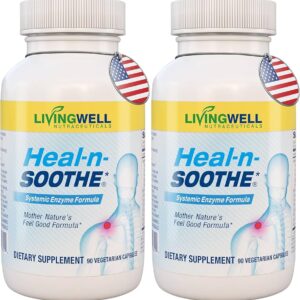
Not Sure Which Pain Medicine Is Right for You?
The safest pain relief option depends on the type of pain, your health history, other medicines you take, and how long the pain has been going on. Some people do well with acetaminophen pain relief for headaches or fever, while others may need an anti-inflammatory pain medicine such as ibuprofen, naproxen, or aspirin for inflammation-related pain.
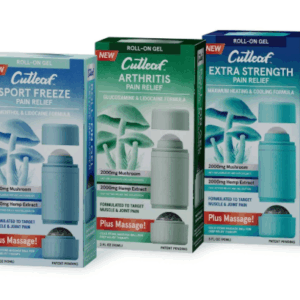
For localized muscle pain, joint pain, or arthritis discomfort, topical pain relief creams and gels with ingredients like lidocaine, menthol, or capsaicin may help without affecting the whole body the same way oral medications can.
Common Pain Relief Medication Options We Help Customers Understand
Acetaminophen / Paracetamol
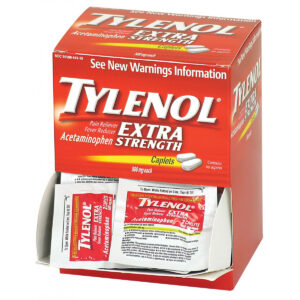
Often used for headache pain relief, dental pain relief, fever, and general body aches. It is usually easier on the stomach than NSAIDs, but taking too much can harm the liver.
- May help with fever and mild-to-moderate pain
- Does not reduce inflammation like NSAIDs
- Needs careful dosing, especially with liver disease
Ibuprofen, Naproxen & Aspirin
These are NSAIDs, also known as nonsteroidal anti-inflammatory drugs. They may help with inflammation, back pain medication needs, arthritis pain relief options, muscle pain medication, and joint pain medication.
- May reduce swelling and inflammation
- Can irritate the stomach
- May not be suitable with kidney disease or blood thinners
Topical Pain Relief
Pain relief cream, pain relief gel, lidocaine, menthol, and capsaicin products can support localized discomfort in muscles, joints, and sore areas.
- Applied directly to the painful area
- Useful for localized aches
- May cause skin sensitivity in some people
Step-by-Step Pain Relief Medication Selection Process
At Maryandpharmacy, our approach is simple: understand the pain first, then look at safety. Pain medicine should never be chosen only by what is strongest. The better question is, “Which option is appropriate for this person, this pain, and this health situation?”
Identify the Type of Pain
Headache, migraine, back pain, arthritis, dental pain, muscle pain, and joint pain may respond differently to medication. Inflammation-related pain may need a different approach than fever or general aches.
Review Health Conditions
Liver disease, kidney disease, stomach ulcers, pregnancy, heart-related concerns, and blood thinner use can affect which pain reliever is safer. This is why safe OTC pain relief questions are important before buying.
Check Medication Interactions
Pain reliever interactions can happen with prescription medication, supplements, blood thinners, cold and flu products, and other over-the-counter pain medicine. A pharmacist consultation for pain relief can help reduce unnecessary risk.
Choose OTC or Prescription Support
OTC pain relievers may be enough for short-term discomfort. Ongoing or severe pain may require a healthcare provider’s evaluation and possibly prescription pain medication, muscle relaxants, or a more specific care plan.
Use the Lowest Effective Dose
More medication does not always mean better relief. The goal is to use the safest effective option for the shortest appropriate time while monitoring pain medicine side effects.
OTC Pain Relievers Compared
This comparison can help you understand the most common pain medication options. It is not a personal recommendation. Speak with a pharmacist or healthcare provider before choosing a product if you have health concerns or take other medicine.
| Medication Type | Common Uses | Helpful For | Safety Notes |
|---|---|---|---|
| Acetaminophen / Paracetamol | General pain, fever, headache, dental pain | People who need pain relief without NSAID stomach irritation | Too much can cause serious liver damage. Avoid combining multiple acetaminophen products. |
| Ibuprofen | Inflammation, muscle pain, joint pain, period pain, back pain | Short-term inflammatory pain | May upset the stomach and may not be suitable with kidney disease, ulcers, or blood thinners. |
| Naproxen | Arthritis pain, back pain, inflammation, longer-lasting aches | Longer-duration OTC pain relief | Can increase stomach, kidney, and bleeding risks for some people. |
| Aspirin | Pain, inflammation, fever | Some adults under professional guidance | Can increase bleeding risk and may not be suitable with blood thinners or stomach ulcers. |
| Topical Analgesics | Localized muscle, joint, and arthritis discomfort | Targeted pain relief with less whole-body exposure | May cause skin irritation. Avoid applying to broken skin unless directed. |
| Prescription Pain Medication | Moderate-to-severe or specific pain conditions | Pain that needs medical evaluation | Muscle relaxants and opioids require careful supervision due to side effects and dependency risks. |
When Pain Medicine Upsets Your Stomach
Stomach discomfort is one of the most common concerns people have with pain medicine, especially NSAIDs like ibuprofen, naproxen, and aspirin. Some people notice nausea, burning, stomach pain, or irritation after taking anti-inflammatory pain medicine.
If pain medicine causes upset stomach, do not ignore it. Taking NSAIDs with food may help some people, but ongoing stomach pain, black stools, vomiting blood, or severe discomfort needs urgent medical attention. Customers with a history of stomach ulcers should ask a pharmacist or healthcare provider before using NSAIDs.
Local Pain Relief Pharmacy Guidance in CA
Maryandpharmacy supports customers throughout California, including Los Angeles, Long Beach, Pasadena, Glendale, Santa Monica, Anaheim, Beverly Hills, and nearby communities. Many local customers come to us because they want clear answers before choosing pain relief medication online or in person.
Whether you are dealing with long workdays, driving-related back pain, gym soreness, arthritis flare-ups, migraine discomfort, dental pain, or joint stiffness, our goal is to help you understand safer pain relief options before you make a decision.
Why Choose Maryandpharmacy?
With 15+ years of experience, Maryandpharmacy focuses on practical medication guidance, customer care, and safer decision-making. We understand that pain is personal. What works for one person may not be appropriate for another, especially when other medications or health conditions are involved.
Pharmacist-Reviewed Guidance
We help customers understand OTC pain relief medication, prescription options, side effects, and common interaction concerns.
Safety-Focused Support
We encourage responsible use, proper dosing, and professional consultation for higher-risk situations.
Local CA Service
We serve customers across California with accessible support by phone and email.
Simple Tips for Safer Pain Relief
- Read the full medication label before taking any OTC pain reliever.
- Do not combine multiple products with acetaminophen unless advised by a professional.
- Avoid taking NSAIDs longer than recommended without medical guidance.
- Ask about pain reliever interactions if you take blood thinners or prescription medicine.
- Speak with a healthcare provider if pain is severe, sudden, recurring, or worsening.
- Store pain medication away from children, heat, and moisture.
- Use topical pain relief only as directed and avoid broken or irritated skin.
Questions People Ask Before Choosing Pain Relief Medication
What are the safest OTC pain relief options for adults?
The safest option depends on your health history and other medications. Acetaminophen may be suitable for general pain and fever, while NSAIDs such as ibuprofen or naproxen may help inflammation. People with liver disease, kidney disease, stomach ulcers, pregnancy, or blood thinner use should speak with a pharmacist or healthcare provider first.
Can I take acetaminophen and ibuprofen together?
Some adults may be advised to use acetaminophen and ibuprofen on the same day, but timing and dosage matter. Because both can be unsafe when used incorrectly, ask a pharmacist or healthcare provider before combining pain relievers.
Which pain medicine is better for back pain?
Back pain medication depends on the cause. If inflammation is involved, NSAIDs may help some people. Muscle strain may also benefit from topical pain relief, rest, heat or cold therapy, and stretching. Severe, radiating, or long-lasting back pain should be checked by a healthcare provider.
Are topical pain relief creams and gels effective?
Topical pain relief products may help with localized muscle pain, joint pain, and arthritis discomfort. Ingredients such as lidocaine, menthol, and capsaicin work in different ways. They may be a useful option for people who want targeted relief, but they still need to be used correctly.
What should I do if pain medicine causes upset stomach?
NSAIDs such as ibuprofen, naproxen, and aspirin can irritate the stomach. Taking them with food may help some people, but ongoing stomach pain, severe nausea, black stools, or vomiting blood needs urgent medical care. Ask a pharmacist about safer alternatives.
When should I ask a pharmacist about pain relief?
Ask a pharmacist if you take prescription medication, have liver or kidney disease, have stomach ulcers, are pregnant, take blood thinners, or are unsure which OTC pain reliever is appropriate. A pharmacist consultation for pain relief can help prevent avoidable side effects and interactions.
Do I need prescription pain medication?
Prescription pain medication may be needed for certain types of moderate-to-severe pain, muscle spasms, post-procedure pain, or chronic conditions. Prescription opioids and muscle relaxants should only be used under professional supervision due to side effects and safety risks.
Need Help Choosing the Right Pain Relief Option?
Speak with Maryandpharmacy for pharmacist-reviewed guidance on OTC pain relievers, topical pain relief, prescription pain medication questions, and safer pain medicine use in CA.
Helpful Links
Use these internal links to guide visitors toward related products, support pages, and conversion-focused actions.

Pharmacist Alec G. Bear, Pharm.D.
CVS #07147 | 6701 W. Mineral Point Road, Madison, Wisconsin

Alicia Hurst, Pharm.D.
⭐ SingleCare 2023 Best Pharmacist Award Winner | 28 years experience | Doctor of Pharmacy, University of Colorado
Last medically reviewed: April 2026. This content is for informational purposes only. Always consult a licensed healthcare provider before starting or changing any medication.
Maryand Pharmacy – Fully Licensed Pharmacy
License No: WLS 4501
Licensed by Wholesale Drug Permit. Verify our credentials at https://pharmacy.ca.gov/licensees/.