
📋 Medically Reviewed & Verified
This page has been reviewed by the licensed pharmacists at Maryand Pharmacy. All medication information reflects current FDA guidelines and clinical best practices for insomnia treatment. Last reviewed: April 2026. This content is intended for informational purposes. Always consult a licensed healthcare provider before starting, stopping, or changing any medication.
Sleep Aid Options for Adults: A Safer Pharmacy Guide to Better Rest
Not sleeping well can affect everything: your mood, focus, appetite, work performance, relationships, and even how safe you feel driving the next morning.
At Maryanpharmacy, we help adults across California and the USA better understand their sleep aid options with a safety-first, pharmacist-reviewed approach. Our goal is not to push one product. It is to help you ask the right questions, understand possible side effects, avoid risky combinations, and choose a sleep support option that makes sense for your situation.
Explore Our Best Insomnia or Sleeping Pills
Showing 1–9 of 11 results
-

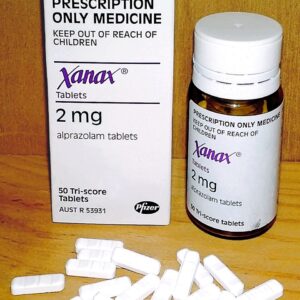
Alprazolam 2mg
Price range: $210.00 through $400.00 -
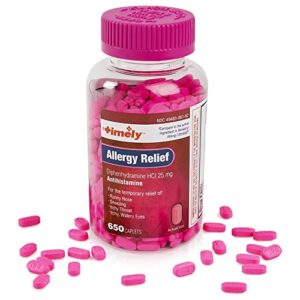
Diphenhydramine
$150.00 -
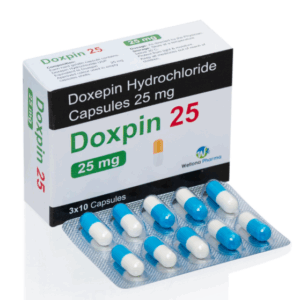
Doxepin
$120.00 -
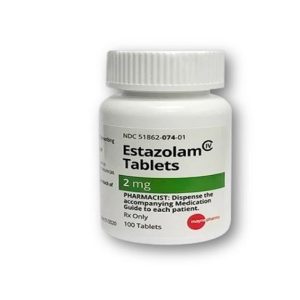
Estazolam (Prosom)
$100.00 -
Eszopiclone | lunesta
$180.00 -
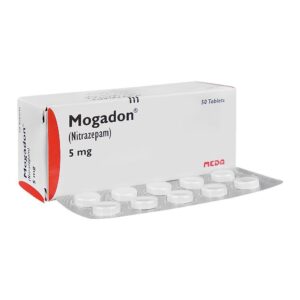
Nitrazepam (Mogadon)
$150.00 -
Ramelteon | Rozerem
Price range: $200.00 through $400.00 -
Temazepam | Restoril
Price range: $150.00 through $310.00 -
Triazolam | Halcion
Price range: $180.00 through $300.00



✔ FDA/pharmacy-grade products only ✔ Prescription & OTC options available ✔ 24–48 hour local delivery ✔ Licensed pharmacists available to advise ✔ Discreet, secure ordering
Quick Answer: What Are the Main Sleep Aid Options?
Sleep aid options usually fall into four main groups:
| Sleep Aid Type | Common Examples | Best Used For | Key Safety Note |
|---|---|---|---|
| OTC sleep aids | Diphenhydramine, doxylamine | Occasional sleeplessness | May cause daytime drowsiness, dry mouth, constipation, confusion, or urinary problems |
| Natural sleep aids | Melatonin, valerian root, magnesium | Jet lag, sleep-wake cycle support, mild sleep trouble | “Natural” does not always mean risk-free |
| Prescription sleep medication | Zolpidem, zaleplon, eszopiclone, ramelteon | Insomnia diagnosed by a healthcare provider | Requires medical review and valid prescription |
| Behavioral sleep support | Sleep hygiene, CBT-I, bedtime routine changes | Long-term insomnia patterns | CBT-I is often recommended as a first treatment for chronic insomnia |
Why Adults Look for Sleep Aid Options
People rarely search for sleep medicine because of one bad night. Usually, they are tired of a pattern.
Common situations include:
- Trouble falling asleep after stress, work, or screen time
- Waking up repeatedly during the night
- Feeling tired even after being in bed for hours
- Jet lag after travel
- Shift-work sleep disruption
- Anxiety-related sleeplessness
- Short-term sleep trouble after a major life change
- Confusion about melatonin, antihistamines, or prescription sleeping pills
- Concern about dependency, tolerance, or next-day drowsiness
Is this occasional sleeplessness, or is it ongoing insomnia?
Occasional sleeplessness may sometimes improve with short-term support and better sleep hygiene. Chronic insomnia deserves a more careful review with a healthcare provider because it may be linked to anxiety, depression, pain, breathing problems, medication side effects, alcohol use, or another sleep disorder.
Pharmacist-Reviewed Sleep Medication Support Online
Choosing a sleep aid online should never feel like guessing.
Maryanpharmacy focuses on education, safety, and responsible medication support. That means helping customers understand:
- Which sleep aids are OTC, and which require a prescription
- When a sleep supplement may not be appropriate
- Why mixing sleep medicine with alcohol can be risky
- How drug interactions may increase drowsiness or breathing risk
- Why older adults may need extra caution
- When pregnancy, breastfeeding, liver disease, kidney disease, or other conditions require medical advice
- Why short-term sleep aid use is different from ongoing nightly use
OTC sleep medicines often contain sedating antihistamines such as diphenhydramine or doxylamine. These can make some people sleepy, but they are not designed for ongoing insomnia and may cause side effects such as daytime drowsiness, dry mouth, constipation, urinary retention, dizziness, confusion, or thinking problems, especially in older adults.
Common Sleep Aid Options Explained
Melatonin for Sleep
Melatonin is a hormone involved in the body’s circadian rhythm and sleep-wake cycle. Many adults use it for jet lag, delayed sleep timing, or occasional trouble falling asleep.
Melatonin may help some people, but it is not a guaranteed solution for all cases of insomnia. Possible side effects include headache, dizziness, nausea, drowsiness, vivid dreams, reduced alertness, confusion, mood changes, and a higher fall risk in some people. Mayo Clinic also advises avoiding driving or operating machinery for several hours after taking melatonin because it can cause daytime drowsiness.
Best-fit questions:
- Is your sleep problem related to timing or jet lag?
- Are you taking medications that may interact?
- Do you feel groggy the next day?
- Are you using it occasionally or every night?
Diphenhydramine Sleep Aid
Diphenhydramine is an antihistamine found in some OTC sleep aids. It can cause sleepiness, which is why some adults use it for occasional sleeplessness.
However, it can also cause next-day drowsiness, dry mouth, constipation, urinary retention, dizziness, and confusion. It may not be suitable for older adults or people with certain medical conditions.
Best-fit questions:
- Do you need to be alert early the next morning?
- Do you have prostate, glaucoma, urinary, or constipation concerns?
- Are you taking other sedating medicines?
- Are you using alcohol?
Doxylamine Sleep Aid
Doxylamine is another sedating antihistamine used in some over-the-counter sleep aids. Like diphenhydramine, it may help with occasional sleeplessness but can cause similar side effects.
Best-fit questions:
- Is this for short-term use only?
- Have you used antihistamines before?
- Do you feel “hungover” after sedating medicines?
- Are you older than 65 or caring for an older adult?
Natural Sleep Aids and Supplements
Natural sleep aids may include valerian root, magnesium for sleep, herbal blends, or sleep supplements with calming ingredients.
The main mistake people make is assuming supplements are automatically safer than medication. Supplements can still cause side effects, interact with medicines, or be inappropriate during pregnancy, breastfeeding, or certain health conditions.
Best-fit questions:
- What other medications or supplements are you taking?
- Are you using a single ingredient or a multi-ingredient blend?
- Do you know the dosage?
- Are you using it for occasional sleep trouble or chronic insomnia?
Prescription Sleep Medication
Prescription sleep medicine may include zolpidem, zaleplon, eszopiclone, ramelteon, and other provider-directed options.
These medications may be useful for certain cases of insomnia, but they require careful medical review. Some prescription sleep medicines can cause dizziness, prolonged drowsiness, memory issues, unusual behavior, dependency concerns, or complex sleep behaviors. The FDA requires boxed warnings for zolpidem, zaleplon, and eszopiclone because of rare but serious sleep behaviors that can lead to injury or death.
Maryanpharmacy does not recommend treating prescription sleep medication like a casual purchase. A valid prescription and healthcare provider guidance are essential.
How to Choose a Sleep Aid Safely
A responsible sleep aid decision should follow a simple process.
Step 1: Identify the Sleep Problem
Ask yourself:
- Do I struggle to fall asleep?
- Do I wake up during the night?
- Do I wake too early?
- Is this related to travel or jet lag?
- Is anxiety, pain, caffeine, alcohol, or screen time involved?
- Has this lasted days, weeks, or months?
Step 2: Check Your Health and Medication Risks
Before using sleep medicine, consider:
- Age
- Pregnancy or breastfeeding
- Liver or kidney issues
- Breathing problems
- History of substance use
- Depression, anxiety, or mood changes
- Alcohol use
- Other medications that cause drowsiness
- Blood pressure, allergy, pain, or anxiety medications
Step 3: Start With Sleep Hygiene Where Possible
Sleep hygiene does not fix every case of insomnia, but it can reduce the need for medication.
Helpful steps include:
- Keep a consistent bedtime and wake time
- Avoid caffeine late in the day
- Limit alcohol before bed
- Reduce screen exposure before sleep
- Keep the room cool, dark, and quiet
- Use the bed mainly for sleep
- Build a calming bedtime routine
- Avoid heavy meals close to bedtime
Step 4: Consider OTC or Supplement Options Carefully
OTC sleep aids may be useful for short-term, occasional sleeplessness, but they are not a long-term plan for chronic insomnia.
Step 5: Speak With a Healthcare Provider for Ongoing Insomnia
If sleep trouble continues, worsens, or affects daily function, professional support is important. CBT-I, medication review, and evaluation for underlying causes may be more effective than repeatedly switching sleep aids.
Sleep Aid Options Compared
| Option | Good For | Not Ideal For | Main Concern |
|---|---|---|---|
| Melatonin | Jet lag, circadian rhythm support, delayed sleep timing | People expecting a strong sedative effect | Drowsiness, dosage confusion, interactions |
| Diphenhydramine | Occasional short-term sleeplessness | Older adults, frequent use, urinary issues | Next-day drowsiness, dry mouth, confusion |
| Doxylamine | Occasional sleeplessness | Long-term insomnia | Similar antihistamine side effects |
| Valerian root | Some people seeking herbal support | Pregnancy, breastfeeding, complex medication routines | Variable evidence and interaction concerns |
| Magnesium | People with low intake or mild relaxation needs | Kidney disease unless provider-approved | Not a direct insomnia treatment for everyone |
| Zolpidem / zaleplon / eszopiclone | Provider-diagnosed insomnia | Prior complex sleep behaviors, unsafe mixing | FDA boxed warning, next-day impairment |
| Ramelteon | Sleep-onset insomnia in selected patients | Self-diagnosis without provider input | Prescription review required |
| CBT-I | Chronic insomnia patterns | People wanting instant relief only | Requires consistency over weeks |
Non-Habit-Forming Sleep Aid Questions
Many people ask for “non-habit-forming sleep aids,” but the phrase can be misleading.
A sleep aid may be considered lower risk for dependency, but that does not mean it is risk-free. Melatonin, magnesium, and some supplements are not controlled substances, but they can still cause side effects. OTC antihistamine sleep aids are not typically described as habit-forming in the same way as some prescription sedatives, but the body can become used to them, and they are not recommended for ongoing sleep problems. MedlinePlus notes that the body can quickly get used to OTC antihistamine sleep aids.
Better questions to ask:
- Is this safe with my current medications?
- Will I feel drowsy tomorrow?
- Is this for short-term use only?
- Could this make confusion, falls, or breathing problems worse?
- Am I treating the cause of insomnia or only sedating myself?
Why Choose Maryanpharmacy for Sleep Medication Support Online?
Maryanpharmacy helps customers across California and the USA approach sleep aid options with more confidence and less confusion.
15+ Years of Experience
With 15+ years of experience, Maryanpharmacy understands that sleep problems are personal. Some customers are worried about dependency. Some are scared of waking up groggy. Some have tried multiple sleep supplements with no clear result. Others simply want guidance before choosing an OTC sleep aid.
Safety-First Pharmacy Guidance
We help you think beyond the label, including active ingredients, side effects, alcohol interaction, drug interactions, daytime drowsiness, pregnancy and breastfeeding concerns, older adult safety, prescription requirements, and short-term vs long-term use.
Clear, Practical Support
You should not need a medical dictionary to understand your options. Our guidance is written in plain language so you can make informed decisions and know when to involve a healthcare provider.
USA-Wide Service
Maryanpharmacy is based in California, USA, and serves customers across the United States with online pharmacy support and medication education.
Areas We Serve
Maryanpharmacy is located in CA, USA, and supports customers across the United States.
Local relevance may include:
- California adults dealing with high-stress work schedules
- Los Angeles and Southern California customers managing travel, jet lag, or irregular routines
- Busy professionals who need to avoid next-day drowsiness
- Older adults and caregivers looking for safer sleep aid questions
- People are comparing OTC sleep aids, natural sleep aids, and prescription sleep medication options online
Whether you are in California or another part of the USA, the same rule applies: sleep aid decisions should be based on safety, current medications, health history, and the type of sleep problem you are experiencing.
When to Seek Medical Help Instead of Using a Sleep Aid
A sleep aid may not be the right first step if you have:
- Trouble breathing at night
- Loud snoring with choking or gasping
- Chest pain
- Severe anxiety or depression
- Confusion or memory changes
- Daytime sleepiness while driving
- Insomnia lasting several weeks
- A history of substance dependency
- Pregnancy or breastfeeding
- Multiple medications that may interact
- Symptoms that started after a new medication
Sleep problems can sometimes point to sleep apnea, anxiety, depression, chronic pain, medication side effects, hormone changes, or another health condition.
Maintenance Tips for Better Sleep Without Relying Only on Medication
Sleep medicine may help in certain cases, but daily habits matter.
Try these practical sleep-support steps:
- Keep the same wake-up time, even after a rough night.
- Get morning light exposure to support your circadian rhythm.
- Avoid caffeine 6–8 hours before bed if you are sensitive.
- Keep alcohol away from bedtime because it can disrupt sleep quality.
- Use a wind-down routine: dim lights, lower noise, reduce screens.
- Keep your bedroom cool, dark, and quiet.
- Avoid checking the clock repeatedly at night.
- Reserve the bed for sleep and intimacy, not work or scrolling.
- Talk with a provider if insomnia continues.
- Ask a pharmacist before combining sleep aids with other medications.
FAQ Section
What are the safest sleep aid options for adults?
The safest sleep aid depends on your age, health history, medications, sleep problem, and whether your insomnia is short-term or ongoing. For chronic insomnia, CBT-I is often recommended before long-term medication use. For occasional sleeplessness, some adults consider melatonin or OTC sleep aids, but these still require caution.
Are OTC sleep aids safe?
OTC sleep aids can help some adults with occasional sleeplessness, but they are not meant for long-term insomnia. Diphenhydramine and doxylamine may cause daytime drowsiness, dry mouth, constipation, urinary retention, dizziness, or confusion, especially in older adults.
Is melatonin a good sleep aid?
Melatonin may help with jet lag, delayed sleep timing, or circadian rhythm issues. It may not solve every type of insomnia. Possible side effects include headache, dizziness, nausea, drowsiness, vivid dreams, confusion, and reduced alertness.
Are prescription sleeping pills habit-forming?
Some prescription sleep medicines can carry dependency, tolerance, next-day impairment, unusual behavior, or complex sleep behavior risks. They should only be used under healthcare provider supervision and with a valid prescription.
Can I take sleep aids with alcohol?
You should not mix sleep aids with alcohol unless a healthcare provider specifically says it is safe. Alcohol can increase sedation, breathing risk, confusion, impaired coordination, and next-day effects.
What is CBT-I?
CBT-I means Cognitive Behavioral Therapy for Insomnia. It is a structured treatment that helps improve sleep patterns, bedtime behaviors, and thoughts that interfere with sleep. NHLBI describes CBT-I as a 6–8 week treatment plan and notes it is usually recommended as the first treatment option for long-term insomnia.
What is the difference between sleep aids and insomnia treatment options?
Sleep aids usually refer to medicines or supplements that may help with sleep. Insomnia treatment options are broader and may include CBT-I, sleep hygiene, medical evaluation, medication review, behavioral therapy, and prescription medicine when appropriate.
Should older adults use sleep aids?
Older adults should be especially careful. Some sleep aids can increase confusion, dizziness, urinary problems, and fall risk. A pharmacist or healthcare provider should review sleep aid choices for older adults.
Do I need a prescription for sleep medication?
Prescription sleep medications require a valid prescription from a licensed healthcare provider. OTC sleep aids and supplements may not require a prescription, but they still need a safety review if you take other medications or have health conditions.
When should I contact Maryanpharmacy?
Contact Maryanpharmacy if you need help understanding sleep aid options, comparing OTC sleep aids, asking pharmacist-reviewed sleep medication questions, or learning what safety factors to consider before choosing a sleep aid.
Browse more
:
Need Help Choosing the Right Sleep Aid Option?
A better night’s sleep should not come with confusion, unsafe combinations, or next-day regret.
If you are comparing melatonin, OTC sleep aids, natural sleep supplements, or prescription sleep medication options, Maryanpharmacy can help you understand the safer next step.
Call: +1(213) 394-2419
Email: maryanpharmacy@gmail.com
Website: maryanpharmacy.com
Service Area: California and USA-wide support
Speak with Maryanpharmacy today for practical, safety-focused sleep medication support online.

Pharmacist Alec G. Bear, Pharm.D.
CVS #07147 | 6701 W. Mineral Point Road, Madison, Wisconsin

Alicia Hurst, Pharm.D.
⭐ SingleCare 2023 Best Pharmacist Award Winner | 28 years experience | Doctor of Pharmacy, University of Colorado
Last medically reviewed: April 2026. This content is for informational purposes only. Always consult a licensed healthcare provider before starting or changing any medication.
Maryand Pharmacy – Fully Licensed Pharmacy
License No: WLS 4501
Licensed by Wholesale Drug Permit. Verify our credentials at https://pharmacy.ca.gov/licensees/.