Muscle Support Supplements and Recovery Nutrition
Category guide
Muscle support supplements are intended to complement resistance training, adequate energy and protein, hydration and recovery. No powder or capsule can substitute for a progressive training plan or guarantee muscle growth.
Compare protein, creatine, amino acids and recovery formulas by ingredient amount, serving size, allergens, added stimulants and testing information. Choose products that fill a specific gap rather than stacking several overlapping formulas.

-

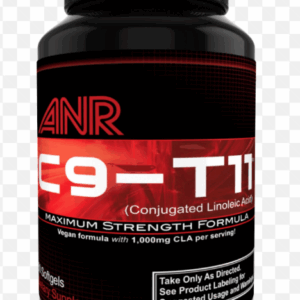
C9-T11
Muscle Support $120.00 AvailableAdd to cart -
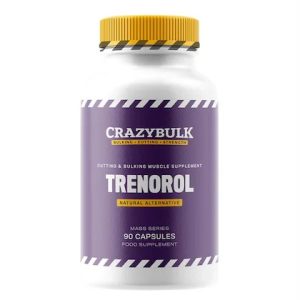
CrazyBulk TRENOROL (Cutting Muscle Strength)
Muscle Support $160.00 AvailableAdd to cart -
Muscle builder
Muscle Support $100.00 AvailableAdd to cart -
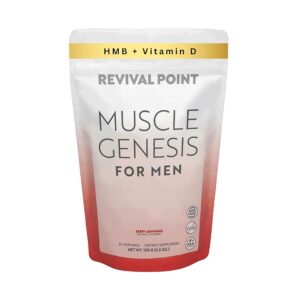
MUSCLE GENESIS FOR MEN
Muscle Support $300.00 AvailableAdd to cart -
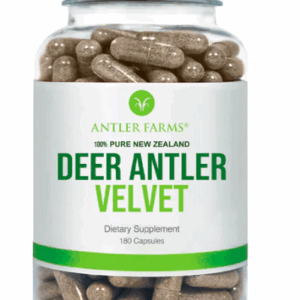
New Zealand Deer Antler Velvet Extract
Muscle Support $230.00 AvailableAdd to cart -
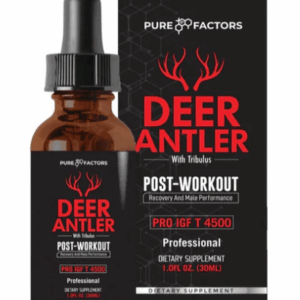
Pure Factors Professional Pro IGF T1500
Muscle Support $150.00 AvailableAdd to cart
Make an informed comparison
How to choose muscle support supplements
Clarify whether your priority is convenient protein, creatine, training energy or post-workout carbohydrate and hydration. Check how the labeled serving contributes to your total daily diet, not just the timing around one workout. Compare protein source and amount, creatine form and amount, added caffeine, amino acid totals and sweeteners. A simple product with a transparent label may be easier to evaluate than a proprietary multi-ingredient blend. Cost per effective serving and consistent use matter more than dramatic packaging.
Available product types
- Protein powders and ready-to-drink formulas in dairy, plant or blended protein options.
- Creatine products and simple strength-support formulas with labeled amounts.
- Amino acid and recovery products designed for use around training.
- Carbohydrate, electrolyte and calorie products that support broader recovery nutrition.
Details worth comparing
- Protein grams, source, amino acid profile when supplied, allergens and serving size.
- Creatine and other active ingredient amounts rather than front-label blend totals.
- Caffeine, stimulants, added sugar, sweeteners and overlapping daily supplements.
- Third-party testing, sport restrictions, container yield and cost per full serving.
Explore focused subcategories
Usage and safety considerations
Use products only as directed and prepare powders with clean equipment. Do not dry-scoop. More protein or more supplement is not automatically better, and very large amounts may be inappropriate for some people. Stop and seek appropriate help for concerning reactions. Products marketed with steroid-like language, guaranteed rapid growth or concealed ingredients require particular caution.
Who should speak with a healthcare professional?
Get qualified advice if you are under 18, pregnant or nursing, take medicine, have kidney, liver, heart, metabolic or gastrointestinal conditions, or compete under anti-doping rules. A sports dietitian can help estimate food and protein needs. Persistent pain, weakness, dark urine, severe cramps or injury symptoms require assessment.
Before you order
Review the exact product label, availability and destination eligibility. Check shipping information and return eligibility before checkout, or contact customer support with a product question.
Frequently asked questions
Which supplements are commonly used for muscle support?
Protein and creatine are common categories, while amino acid, carbohydrate and recovery products may serve narrower purposes. The right choice depends on diet, training, goal and health history. Compare exact ingredient amounts and avoid assuming a larger blend or more products will produce better results.
Is protein powder necessary for building muscle?
No. Protein powder is a convenient food supplement, not a requirement. People can meet protein needs through foods, powders or a combination. Total diet, resistance training, energy intake and recovery matter. A qualified sports nutrition professional can help estimate needs without promoting unnecessary amounts.
How should I compare creatine products?
Compare the creatine form, amount per serving, number of servings, other ingredients and testing information. A transparent single-ingredient label is often easier to assess than a proprietary blend. Follow the product directions and seek professional advice when health conditions, medicines or sport rules make selection more complex.
What supports workout recovery besides supplements?
Adequate food, fluids, sleep, rest between hard sessions and a progressive training plan are the foundation. Supplements may add convenience but cannot correct persistent under-fueling, excessive training or an untreated injury. Ongoing pain, unusual weakness or repeated performance decline deserves qualified assessment.
Authoritative starting points
FDA: Questions and Answers on Dietary Supplements · NIH Office of Dietary Supplements fact sheets
General information only. Product labels are the primary reference for ingredients, directions and warnings. This page does not diagnose, treat or replace advice from a qualified healthcare professional.